شکاف قومی و تأثیر آن بر شکل گیری خرده گفتمان سیاسی کُردهای ایران در دو دهه نخست جمهوری اسلامی
DOI::
https://doi.org/10.61838/kman.jspsich.339کلمات کلیدی:
شکاف قومی, شکاف مذهبی, نظریه گفتمان, گفتمان سیاسی کُرد, ناسیونالیسم قومیچکیده
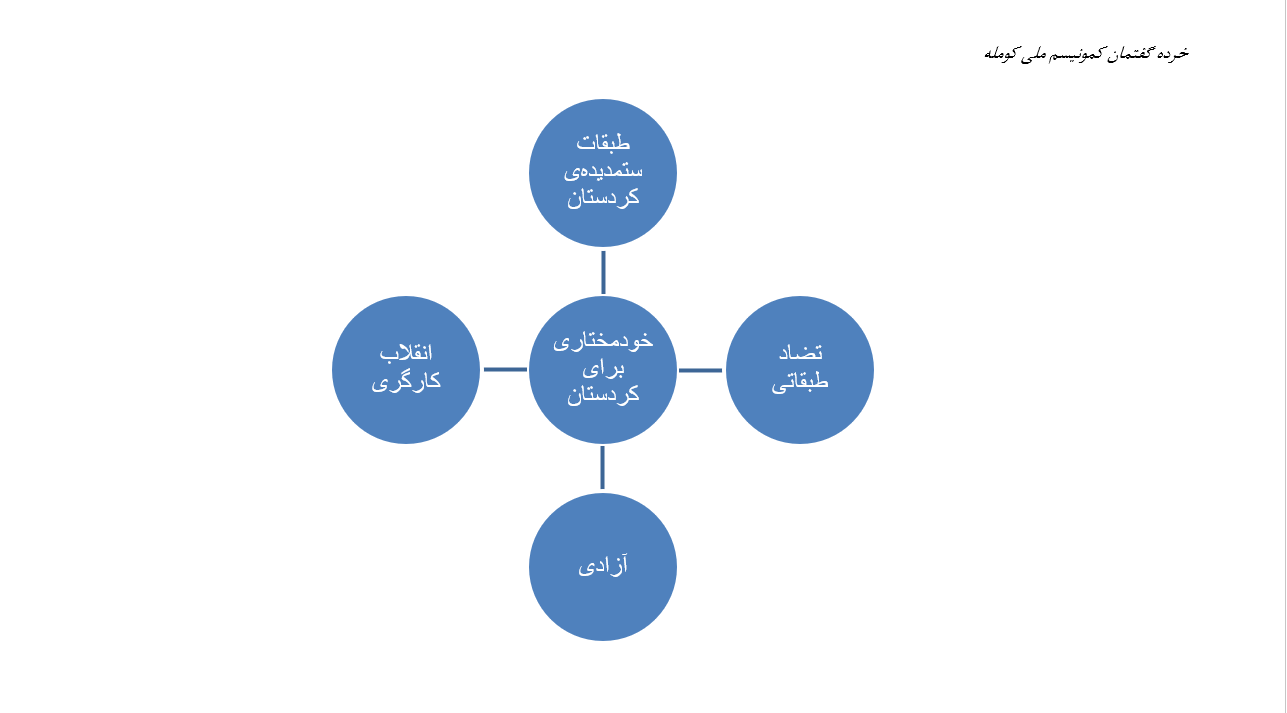
این مقاله خرده گفتمان سیاسی نیروهای سیاسی کردستان، در دو دهە اول بعد از انقلاب اسلامی را بر اساس روش تحلیل گفتمان لاکلا و موفه تحلیل مینماید، بهطوری که نظام گفتمانی دو خرده گفتمان کردها در این مقطع را که ناشی از تعمیق شکاف قومی به دلیل سیاستهای جمهوری اسلامی بخصوص با شروع جنگ تحمیلی و پیگیری نوع خاصی از ناسیونالیسم از طرف حکومت است، مورد تحلیل قرار داده و همچنین تلاش مینماید، تغییرات گفتمانی خرده گفتمان سیاسی کرد را که متأثر از شکاف مذهبی و شکاف طبقاتی متارکم بر شکاف قومی هستند م در سالهای آغازین حاکمیت جمهوری اسلامی در چهارچوب نظریۀ شکاف اجتماعی استین روکان؛ که مقاطع مهم تاریخی را عامل سر برآوردن شکافها و تعمیق آنها میداند مورد تحلیل قرار دهد. در این مقاله از تحلیل گفتمان بهمثابه روش تحقیق استفادهشده و نظریۀ شکاف اجتماعی استین روکان مبنای نظری آن را تشکیل میدهد.
دانلودها
مراجع
Ahmadi, G. (2008). The Historical Sociology of the Kurdistan Democratic Party of Iran. Rojhîf Quarterly(8, 9, 10).
Ayubi, N. (1991). Political Islam: Religion and Politics in the Arab World.
Entesar, N. (2006). The Mafia of Power (An Examination of the Ethnic-Kurdish Nationalism).
Haqiqat, S. S. (2012). Methodology of Political Science, 3rd edition.
Hesami, N. (2002). Mafi Sharvandi Bakhki Kurd Taba. Shas(14).
Hesami, N. (2007, 7 December 2007). Key Hizbi Komunist Shestei Manewe. www.bruske.com
Kadivar, M. (2018). The Injustice of the Islamic Republic to Ahmad Mofti Zadeh, the Kurdish Sunni Thinker and Activist.
Koohi-Kamali, F. (2003). The Political Development of the Kurds in Iran: Pastoral Nationalism. https://doi.org/10.1057/9780230535725
Kouchera, C. (2000). The Kurdish Nation Movement and the Demand for Independence.
Laclau, E. (1999). New Reflections on the Revolution of Our Time.
Laclau, E., & Mouffe, C. (2002). Hegemony and Socialist Strategy: Towards a Radical Democratic Politics.
Lipset, S. M., & Stein, R. (1967). Party Systems and Voter Alignment.
MacDowell, D. (2001). Contemporary Kurdish History.
Maqsoudi, M. (2001). Ethnic Transformations in Iran (Causes and Contexts).
Mofidi, S. (2006). The Political Function of Religion. Rojhîf Quarterly(1).
Mofti Zadeh, A. (1980). On Kurdistan.
Mohammadzadeh, K. (23 December 2006). Dimana le Gel Said Watan Dost. www.dimane.com
Mustafa Amin, N. (1998). Panjakan Yekter Ashkinen (Diwi Naweweye Roudawakan Kurdistani Ereq 1983-1979).
Rokkan, S. (1970). Citizens, Elections, Parties: Approaches to Comparative Study of the Processes of Development.
Shoukat, H. (2001). An Inside Look at the Iranian Leftist Movement (Interview with Iraj Kashkouli), 2nd edition.
Soltani, A. A. (2004). Discourse Analysis as Theory and Method. Political Science Quarterly(Winter).
Tajik, M. R. (2004). Discourse, Counter-Discourse, and Politics.
دانلود
گاهشمار انتشار
- ارسال
- بازنگری
- پذیرش
شماره
نوع مقاله
مجوز
حق نشر 2024 Azad Mohammadiani (Author); Sadegh Zibakalam (Corresponding Author); Majid Tavasoli Roknabadi, Ahmad Saei (Author)

این پروژه تحت مجوز بین المللی Creative Commons Attribution-NonCommercial 4.0 می باشد.