تحلیل مردمشناختی نظام خانواده و باروری از نگاه شهروندان شهر تهران: مطالعه تطبیقی مناطق ۳ و ۱۹ شهرداری تهران
کلمات کلیدی:
خانواده و خویشاوندی, باروری, فرزندآوری, انسانشناسی خویشاوندی, ازدواجچکیده
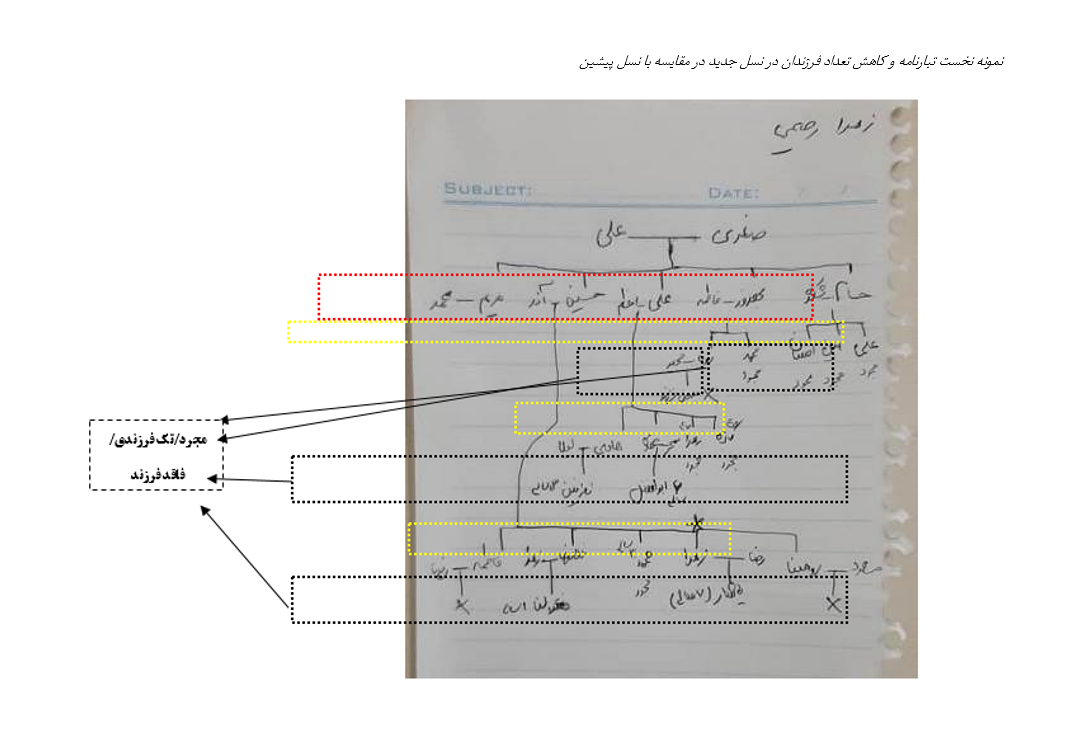
هدف پژوهش حاضر، تحلیل مردمشناختی دگرگونیهای نظام خانواده و عوامل مؤثر بر نگرش و رفتار باروری شهروندان دو محله داوودیه در منطقه ۳ و خانیآباد نو در منطقه ۱۹ شهرداری تهران بود. پژوهش با رویکرد کیفی و روش مردمنگارانه تطبیقی انجام شد. مشارکتکنندگان شامل ۳۰ نفر از ساکنان متأهل دو محله بودند که بهصورت هدفمند و با بهرهگیری از روش گلولهبرفی انتخاب شدند؛ بهگونهای که در هر محله ۱۵ مصاحبه عمیق انجام گرفت. دادهها از طریق مصاحبههای عمیق و نیمهساختیافته، گفتوگوهای غیررسمی، مشاهده میدانی، یادداشتبرداری و ترسیم تبارنامه گردآوری و با استفاده از تحلیل مضمون و مقایسه مستمر دادههای دو میدان بررسی شدند. یافتهها نشان داد که خانواده در هر دو محله از ساختاری گسترده، خویشاوندمحور و پرجمعیت به ساختاری هستهای، زوجمحور، برنامهریزیشده و کمفرزند گرایش یافته است. فرزند دیگر عمدتاً نیروی اقتصادی، تضمینکننده حمایت والدین در سالمندی یا عامل استحکام زندگی زناشویی تلقی نمیشود، بلکه بهمثابه موضوعی برای سرمایهگذاری بلندمدت عاطفی، آموزشی، تربیتی و اقتصادی تعریف میشود. ناامنی اقتصادی، افزایش هزینههای مسکن، آموزش و مراقبت، اشتغال و تحصیلات زنان، نابرابری در تقسیم مسئولیتهای خانوادگی، نگرانی نسبت به آینده، تأثیر رسانههای اجتماعی، توجه به سلامت و بدن و افزایش استانداردهای والدگری از مهمترین عوامل محدودکننده فرزندآوری بودند. با وجود تفاوت طبقاتی دو محله، الگوی یک یا دو فرزندی در هر دو میدان غلبه داشت؛ هرچند در خانیآباد نو تأمین نیازهای پایه و در داوودیه حفظ کیفیت آموزشی، رفاهی و موقعیت اجتماعی برجستهتر بود. تبارنامهها نیز کاهش تعداد فرزندان، افزایش تجرد، بیفرزندی و تکفرزندی را در نسل جدید تأیید کردند. در مجموع، کمفرزندی را میتوان راهبردی خانوادگی برای سازگاری با شرایط جدید دانست که در سطح کلان پیامدهای مهم جمعیتی به همراه دارد.
دانلودها
مراجع
Abbasi, M., & Khani, S. (2013). Economic Insecurity and Fertility: A Case Study of Married Women in Sanandaj County. Journal of the Demographic Society of Iran, 33-71.
Afshar Kohan, J., & Rezaeian, M. (2018). An Intergenerational Comparison of the Relationship between Individual Value Systems and Attitudes toward Family Stability. Sociology of Social Institutions, 5(12), 293-326.
Alizadeh, S., Mirmiran, P., & Hajifoghaha, M. (2017). The Role of Nutrition in Female and Male Fertility. Journal of Babol University of Medical Sciences, 19(4), 7-91.
Azad Armaki, T. (2016). Changes, Challenges, and the Future of the Iranian Family. Tisa Publishing.
Azad Armaki, T., & Zahiriniya, M. (2019). An Examination of Value Types and Cultural Changes in the Family. Family Research Quarterly(23).
Bani Hashemi, H., Sarvar, R., & Ziari, Y. A. (2013). Infill Development in Deteriorated Urban Fabrics: The Case of Khaniabad Neighborhood in Tehran. Sarzamin Geographical Quarterly, 10(40).
Barcellos, C. (2011). The Experience of Pregnancy: Subjectivity and Social Relations. Vibrant: Virtual Brazilian Anthropology, 8(2). https://doi.org/10.1590/S1809-43412011000200026
Brown, N., & McIlwraith, T. (2020). Perspectives: An Open Introduction to Cultural Anthropology. American Anthropological Association.
Chamani, S., Moshfegh, M., & Shakarbeygi, A. (2016). A Mixed-Methods Study of Childbearing Challenges in Tehran. Gender and Family Studies, 3(1).
Cheraghi, M. (2018). A Psychological Analysis of Parent–Child Relationships in Iranian Proverbs. Family Research, 383-410.
Eller, J. D. (2015). Cultural Anthropology. Routledge.
Essén, B., Binder, P., & Johnsdotter, S. (2011). An Anthropological Analysis of the Perspectives of Somali Women in the West and Their Obstetric Care Providers on Caesarean Birth. Journal of Psychosomatic Obstetrics & Gynecology, 32(1), 10-18.
Fakouhi, N. (2012). Foundations of Anthropology. Ney Publishing.
Farbod, M. S. (2016). An Introduction to Family and Kinship: Anthropology of Family and Kinship. Danjeh Publishing.
Farbod, M. S. (2018). Foundations of Anthropology. Golazin Publishing.
Foroutan, Y., & Karami, F. (2016). Patterns and Determinants of Childbearing Intentions in Iran. Journal of the Demographic Society(21), 71-100.
Ghaderi, T., & Alghouneh, Z. (2017). An Examination of Egoistic Individualism and Its Related Factors among Students at Shiraz University, with Emphasis on Social Class. Social Sciences Quarterly, 26(79).
Ghasemi, A., Rad, F., & Savabi, H. (2014). An Examination of Changes in Women's Fertility according to the Socioeconomic Positions of Couples. Quarterly Journal of the Women's and Family Social-Cultural Council, 16(63).
Hashemi, A. (2012). Changes in Cultural Patterns and Elements from the Extended Family to the Nuclear Family. Iranian Culture and People Quarterly(31), 11-27.
Jafari Bai, M. (2019). An Examination of the Transformation of the Iranian Family through Demographic Indicators. Population Quarterly(109-110), 121-153.
Kaveh Firouz, Z. (2017). The Effect of Social and Cultural Capital Components on Attitudes toward Childbearing. Social Studies and Research in Iran(1), 119-143.
Khorramshahi, B. (2018). The Bustan of Saadi. Doustan Publishing.
Lenkeit, R. E. (2011). Cultural Anthropology. McGraw-Hill Education.
Masoumi, M., & Rahiminejad, V. (2012). Women and Gendered Proverbs. Quarterly Journal of Persian Language and Literature(11), 135-158.
Mehrabani, V. (2013). A Comparative Examination of Fertility-Economics Models and Schools Using Iranian Data. Journal of the Demographic Society of Iran(16), 5-27.
Modiri, F., & Ghazi Tabatabaei, M. (2018). The Effect of Marital Quality of Life on Fertility Intentions. Sociology of Social Institutions(12), 73-94.
Moltafat, H., Navah, A., & Rashidi, S. (2020). An Analysis of the Relationship between Lifestyle and Fertility Decline. Sociology and lifestyle management(16), 401-438.
Panahi, H. (2012). Family Health and Its Social Determinants. Social Sciences Quarterly(59).
Rasoulzadeh Aghdam, S., Adlipour, S., & Mirmohammadtabar, A. (2016). An Analysis of the Relationship of Social Capital and Lifestyle with the Tendency toward Childbearing: A Study of Students at Shahid Madani University of Azerbaijan. Social and Cultural Strategy Quarterly, 5(20).
Rastegar Khaled, A., & Mohammadi, M. (2015). Cultural Change and Fertility Decline in Iran. Journal of Applied Sociology, 26(58).
Razeghi Nasrabad, H., & Modiri, F. (2015). The Relationship between Religiosity and Fertility Intentions in Tehran. Journal of the Demographic Society, 127-162.
Sadeghi, H., & Saraei, H. (2016). Factors Affecting the Tendency toward Childbearing among Women in Tehran. Quarterly Journal of Welfare and Social Development Planning, 7(27).
Saeidi Madani, M., & Foroutan, Y. (2011). Patterns and Determinants of Sex Preference in Neka County, Mazandaran Province. Journal of the Demographic Society, 163-189.
Sayarpour, F. (2014). Anthropology of the Body. Journal of the Scientific Association of Anthropology.
Shabani, B. (2020). An Analytical Study of Didactic Teachings in Proverbs of the Jahromi Dialect. Quarterly Journal of Literature and Local Languages of Iran(30), 37-62.
Shabanpour, M., Vosoughi, M., & Kaldi, A. (2018). Explaining the Role of Kinship Networks in the Stability of the Nuclear Family: A Case Study of Tehran. Journal of Police-Social Research on Women and Family, 6(1), 13-124.
Soleimanifar, N. (2015). An Analysis of the Teachings of the Qur'an and the Torah concerning Childbearing and Population Growth. Tadabbur.
Zare, B., & Safiari, H. (2015). A Study of the Factors Associated with Marital-Life Satisfaction among Married Women and Men in Tehran. Quarterly Journal of Social and Psychological Studies of Women, 13(1).
Zare, S., & Hashemi, S. H. (2013). The Effect of Religion on Population and Fertility Policies. Islam and Social Sciences(10), 81-98.
Ziaei Bigdeli, M., Kalantari, S., & Alizadeh, M. (2018). The Relationship between the Total Fertility Rate and Socioeconomic Development. Social Welfare(21), 123-140.
دانلود
گاهشمار انتشار
- ارسال
- بازنگری
- پذیرش
شماره
نوع مقاله
مجوز
حق نشر 2025 Monireh Nourirraj (Author); Mohamadsadegh Farbod; Fariba Mireskandari (Author)

این پروژه تحت مجوز بین المللی Creative Commons Attribution-NonCommercial 4.0 می باشد.